
Gamification & Game-Based Learning
Students learn incident response best when they have to make the decisions themselves and live with the consequences.
Finding engaging and effective ways to teach has always been a priority for me. Over the years, game-based learning has become one of my most powerful tools for teaching incident response, problem solving, and digital and medical device forensics. It has transformed how my students learn, and it has been an incredibly fun adventure for me as an educator.
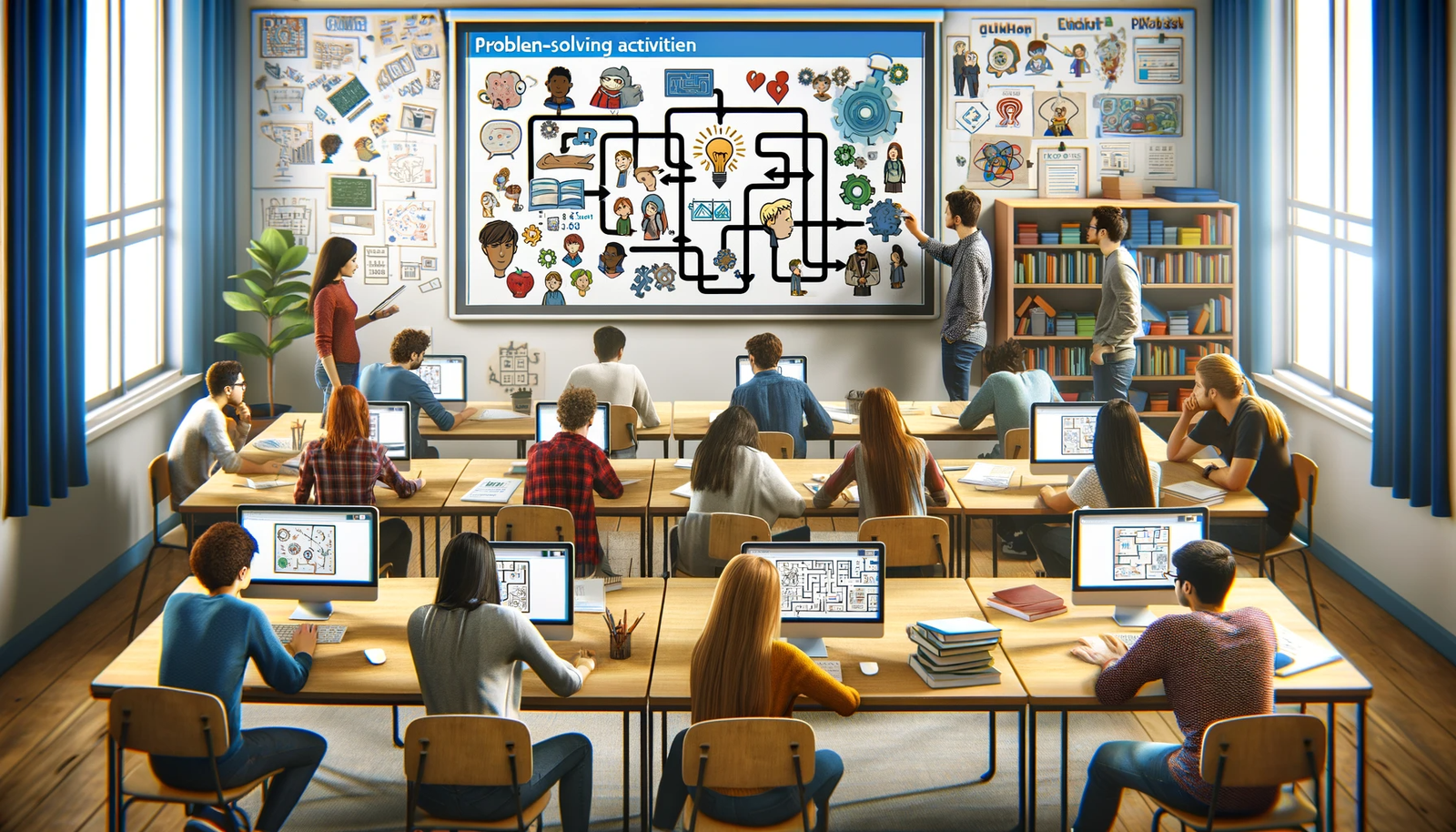
Twine: the gateway to gamification
Twine is an open-source tool for building interactive, branching stories, even with very little programming experience. It is intuitive and accessible, and it lets teachers design learning experiences that students genuinely enjoy.
I was apprehensive about game design at first, but learning Twine turned out to be part of the fun. Every new concept opened up more creative possibilities, and building interactive stories quickly became something I looked forward to.
Students play incident responders in a live cyberattack, making decisions to contain threats and run the investigation. Every choice has consequences that mirror real incidents.
Story-driven puzzles present complex problems that students work through together, thinking critically to overcome obstacles and reach a solution.
Simulations put students in the investigator’s seat, examining digital and medical devices and analysing evidence to solve cases in a safe, controlled environment.
From branching stories to full simulations
What began with Twine has grown into larger platforms that put students into realistic, high-pressure environments.
What makes a learning game work
Decisions over answers. The value is in the choices students make and the consequences they face, not in a single correct response.
Realism over signposting. Real incidents do not label what matters. Good games leave students to work that out.
Motivation is not the grade. Points and badges can keep students engaged, but I keep them separate from assessment so the game stays about learning.